Car Engine Overheating in Dubai UAE – Causes, Signs & Temporary Fixes
Dubai’s extreme temperatures and heavy traffic conditions make car engine overheating one of the most common mechanical problems faced by drivers in the UAE. When your engine is running hot, it is not simply a comfort issue—it is a clear warning that the vehicle’s cooling system is struggling to control excessive engine heat.
Car Engine Overheating in Dubai UAE – Complete Guide to Causes, Warning Signs & Fixes
A vehicle overheating in Dubai can quickly escalate from a minor fault to catastrophic engine damage. From warped cylinder heads to blown head gaskets, ignoring engine overheating signs can result in costly repairs or total engine failure. Understanding the reasons for car overheating, recognizing early symptoms, and knowing how to respond can protect your vehicle and your budget.
This in-depth guide explains why cars overheat, the most common causes of engine overheating, emergency steps to take when your car is heating up, and how to prevent overheating problems in Dubai’s harsh climate.
Why Does an Engine Overheat in Dubai Conditions?
Every internal combustion engine generates intense heat during operation. Normally, this heat is controlled by the cooling system, which includes coolant, radiator, thermostat, water pump, cooling fan, and hoses. Together, these components regulate temperature and prevent excessive engine heat build-up.
However, in Dubai’s environment where outside temperatures regularly exceed safe operating limits even a small cooling system failure can cause the engine to overheat rapidly, especially during traffic congestion or long highway drives.
Most Common Causes of Car Overheating
Low Coolant Level or Coolant Leakage
One of the leading car overheating causes is insufficient coolant. Coolant absorbs heat from the engine and releases it through the radiator. When coolant levels drop due to leaks or evaporation, heat cannot be dispersed efficiently, resulting in engine overheating.
Even minor leaks from hoses, radiator seams, or the expansion tank can cause repeated overheating.
Thermostat Stuck or Malfunctioning
The thermostat regulates coolant flow based on engine temperature. If it fails in the closed position, coolant cannot circulate. This leads to trapped heat and a sudden engine heat up, often causing the engine to run hot within minutes.
Radiator Blockage or Failure
The radiator plays a critical role in releasing heat. Over time, corrosion, dust, sand, and mineral deposits reduce airflow and coolant flow. A clogged or leaking radiator is a major reason car is overheating, especially in stop-and-go traffic.
Water Pump Failure
The water pump ensures continuous coolant circulation. When the pump fails due to worn bearings, belt issues, or internal damage, coolant movement stops entirely. This is a serious engine overheating cause that often results in immediate overheating and engine shutdown.
Cooling Fan Not Operating
The radiator fan activates when airflow is low, such as during idling or slow traffic. A faulty fan motor, sensor, relay, or wiring issue can prevent proper cooling, making car heating up in traffic a frequent issue in Dubai.
Damaged or Collapsed Radiator Hoses
Hoses carry coolant between the engine and radiator. Cracks, internal blockages, or collapsed hoses restrict coolant flow and increase car engine heat, particularly during extended driving.
Blown Head Gasket
A blown head gasket allows coolant to leak internally into the combustion chamber or engine oil. This results in coolant loss, overheating, misfires, white smoke, and severe engine damage if not repaired promptly.
Old or Contaminated Coolant
Coolant degrades over time and loses its heat-absorbing properties. Dirty or contaminated coolant can clog passages and reduce cooling efficiency, making it a hidden engine overheating reason.
Extreme Heat, Heavy Load & AC Usage
Dubai’s climate places continuous stress on the cooling system. Long traffic jams, steep inclines, heavy cargo, or prolonged air-conditioning use accelerate engine heat build-up, especially if the cooling system is not in perfect condition.
How to Stop Your Engine from Overheating – Essential Safety Guide for Drivers
An engine overheating issue should never be ignored. When your engine is running hot, continuing to drive can cause severe internal damage, including warped engine components, blown head gaskets, or complete engine seizure. In extreme cases, a vehicle overheating can lead to sudden breakdowns or dangerous driving situations, especially in high-temperature regions like Dubai and across the UAE.
This guide explains how to stop your engine from overheating, how to recognize early warning signs while driving, what immediate actions to take if your car is overheating, and proven methods to prevent overheating before it turns into a costly repair.
Critical Engine Overheating Signs You Must Not Ignore
Most modern vehicles are equipped with an engine temperature warning light, usually shown as a thermometer symbol. This light activates when engine temperature exceeds safe limits. However, if the warning system fails or reacts too late, physical signs will often indicate that your engine heat is rising dangerously.
Common engine overheating signs include:
- Temperature gauge rising above normal range
- Steam or vapor escaping from the hood
- Burning or sweet coolant smell
- Engine coolant over temp warning light
- Coolant puddles under the vehicle
- Loss of power or hesitation
- Knocking, ticking, or rough engine sound
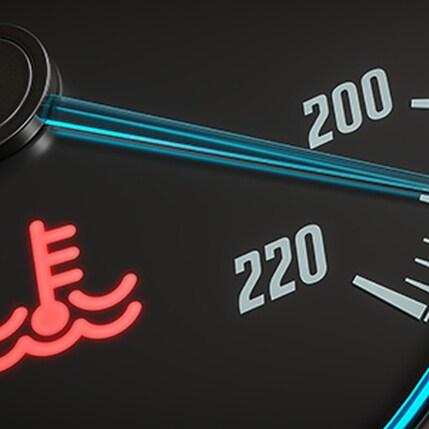
If these symptoms appear, your vehicle is overheating and should not be driven further.
What to Do Immediately When Your Car Is Overheating
If your car engine is running hot, follow these emergency steps:
- Stop the Vehicle Safely – Turn off the engine immediately.
- Disable AC, Enable Heater – This helps draw heat away from the engine temporarily.
- Allow Engine to Cool – Wait at least 20 minutes before opening the hood.
- Check Coolant Level – Only add coolant or water once the engine has cooled completely.
- Seek Professional Help – Continued overheating requires expert diagnosis.
These actions are only temporary fixes for overheating cars and should never replace proper repair.
How to Prevent Engine Overheating in Dubai
Preventive maintenance is essential in UAE conditions:
- Monitor coolant levels weekly
- Flush and replace coolant every 40,000–50,000 km
- Inspect radiator, thermostat, hoses, and fan regularly
- Replace worn belts and faulty sensors
- Avoid heavy towing during peak summer heat
- Watch temperature gauge in traffic
- Address AC performance issues early
If you suspect rising engine heat, switch off the air conditioning and turn on the heater temporarily. This helps draw heat away from the engine and can act as a temporary fix for overheating cars.
Mercedes & Range Rover Overheating Problems in Dubai
Luxury vehicles often experience Mercedes engine overheating and Range Rover overheating due to advanced cooling systems and high engine output. These vehicles require specialized diagnostics, software checks, and manufacturer-approved components to prevent repeat overheating issues.
Professional Car Engine Overheating Repair in Dubai & Abu Dhabi
Persistent engine overheating causes require expert attention. Whether it is a coolant leak, radiator blockage, thermostat failure, or water pump issue, professional diagnosis is essential.
Transporters provides complete engine overheating inspections and cooling system repairs across Dubai and Abu Dhabi for all vehicle brands.
Why Choose Transporters?
- Free vehicle pick-up and drop-off
- Certified technicians with advanced diagnostics
- Transparent pricing with no hidden costs
- Genuine spare parts with warranty
- Fast turnaround and real-time service updates
From coolant replacement to radiator repair and fan motor replacement, our experts ensure your engine remains protected even in extreme UAE heat.
Conclusion
A car engine overheating issue should never be ignored. Common problems such as low coolant, faulty thermostat, radiator blockage, or cooling fan failure are often responsible. Early action protects your engine, reduces repair costs, and prevents roadside breakdowns.
If your vehicle is overheating in Dubai, schedule a professional cooling system inspection immediately. Keeping your engine cool ensures safer driving, longer engine life, and peace of mind on UAE roads.