Electric Car Battery Guide – EV Battery Types, Life & Maintenance Dubai UAE
Electric vehicles (EVs) are rapidly transforming the automotive landscape in Dubai and across the UAE. At the core of every electric car is its battery system, which determines driving range, performance, charging speed, and long-term ownership costs. For current and future EV owners in Dubai, understanding how electric car batteries work, the different types available, and how to maintain them is essential.
Electric Car Battery Guide in Dubai, UAE – Everything You Need to Know
This comprehensive electric car battery guide for Dubai explains EV battery technologies, performance factors, lifespan, maintenance tips, and sustainability practices relevant to UAE driving conditions.
Types of Electric Car Batteries
Lithium-Ion (Li-ion) Batteries
Lithium-ion batteries remain the most widely used technology in electric vehicles due to their optimal balance of energy density, affordability, and long service life. These batteries typically use graphite as the anode and a cathode composed of lithium, nickel, manganese, and cobalt, delivering reliable performance and efficient energy storage for modern EVs.
Solid-State Batteries
Solid-state batteries are an emerging EV battery technology known for their higher energy density and enhanced safety potential. By replacing liquid electrolytes with solid materials, this innovation is expected to significantly improve battery performance and play a transformative role in the future electric vehicle market.
Nickel-Metal Hydride (NiMH) Batteries
Nickel-metal hydride batteries are commonly used in hybrid electric vehicles (HEVs). They are valued for their strong safety profile and longer cycle life compared to older lead-acid batteries. However, NiMH batteries face limitations such as higher self-discharge rates, which reduce their overall efficiency compared to lithium-ion systems.
How Electric Vehicle Batteries Work
Energy Storage
Electric vehicle batteries store energy in chemical form within the anode and cathode materials, allowing the system to hold sufficient power for driving and auxiliary vehicle functions.
Energy Release During Driving
When the vehicle is in use, ions travel from the anode to the cathode, generating an electrical current that powers the electric motor and propels the vehicle forward.
Recharging the Battery
During charging, the process is reversed. Electrical energy from the charging source pushes ions back to the anode, restoring the battery’s stored energy and preparing the vehicle for the next drive.
Key Characteristics of Electric Vehicle Batteries
Battery Size and Placement
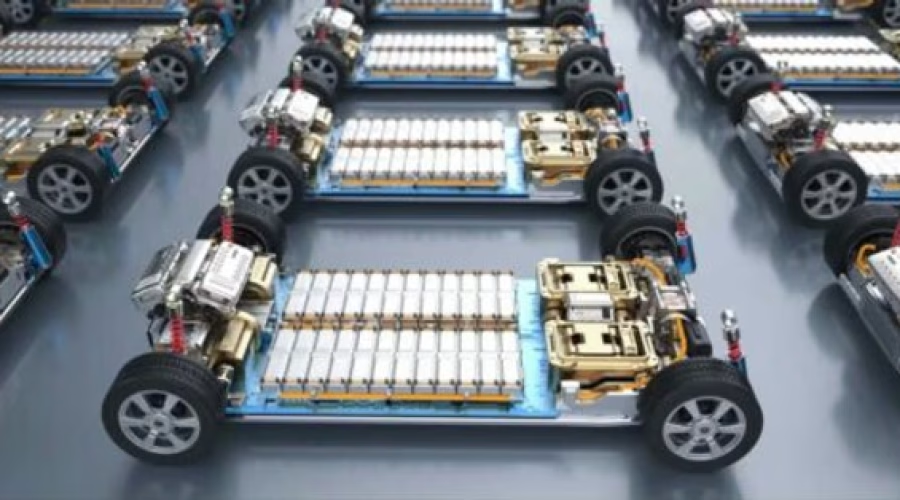
Electric vehicle battery packs are large, high-capacity units typically installed beneath the vehicle floor. This underfloor placement acts as the car’s primary energy source—similar to a fuel tank—while also improving weight distribution and overall driving stability.
Battery Lifespan and Durability
Modern EV batteries are engineered for long-term use, with an expected lifespan of 15 to 20 years or several hundred thousand miles. Battery degradation occurs gradually, allowing electric vehicles to maintain reliable performance over many years of ownership.
Battery Cost and Affordability
The cost of electric car batteries has decreased significantly due to technological advancements and large-scale production. Today, the average EV battery pack cost has dropped below USD 100 per kWh, making electric vehicles more accessible and cost-effective for consumers.
Safety and Reliability
Electric vehicle batteries undergo extensive safety testing to meet global automotive standards. They are designed with protective systems to prevent chemical leaks, overheating, and electrical shock, ensuring safety levels comparable to conventional petrol or diesel vehicles.
Electric Car Batteries vs Smartphone Batteries
Are EV Batteries Similar to Phone Batteries?
While both smartphones and electric vehicles use lithium-based batteries, the similarity ends there. Smartphone batteries typically last 2–3 years, whereas electric car batteries in Dubai are engineered to last much longer.
Most EV batteries come with warranties of 8 years or 160,000 km, and many continue to perform efficiently well beyond that. EV batteries include advanced cooling systems, protective buffer zones, and intelligent battery management systems that significantly slow degradation.
However, factors such as excessive heat, frequent fast charging, and improper charging habits can accelerate battery wear.
5 Essential Tips to Extend Electric Car Battery Life in Dubai – EV Battery Maintenance
Avoid Overcharging
To maximize EV battery life, charge your vehicle when it reaches around 20% and avoid exceeding 80% for daily use. Charging to 100% should be reserved for long trips.
Use Fast Charging Sparingly
Rapid charging is convenient but generates excessive heat, which can degrade EV batteries over time. Limiting fast charging to emergency or long-distance travel helps maintain battery health.
Reduce Exposure to High Temperatures
Dubai’s high temperatures can impact battery performance. Park in shaded areas whenever possible and ensure your vehicle’s thermal management system is functioning properly.
Store Your EV at an Optimal Charge Level
If your electric car will be unused for an extended period, keep the battery charge between 25% and 75%. This range minimizes stress on the battery cells.
Schedule Regular Battery Health Checks
Annual inspections by certified EV technicians help detect potential issues early and ensure your electric car battery in Dubai remains in optimal condition.
Sustainability & Recycling of Electric Car Batteries
EV Battery Recycling and Environmental Impact
Electric car battery production involves valuable materials such as lithium, nickel, and manganese. To reduce environmental impact, manufacturers are increasingly adopting battery recycling and circular economy practices.
Advances in EV Battery Recycling
Modern recycling processes recover key metals from used EV batteries, reducing the need for new raw materials and minimizing waste.
Sustainable Battery Manufacturing
Automakers are shifting toward eco-friendly production methods to reduce carbon emissions and improve sustainability throughout the battery lifecycle.
Many EV batteries can last 15–20 years, and their materials can be recycled multiple times, making electric vehicles a more sustainable choice for Dubai’s future.
Conclusion
Electric car batteries are more than just a power source, they define the overall EV ownership experience. By understanding battery types, how they work, and how to maintain them properly, EV owners in Dubai can maximize performance, lifespan, and sustainability.
As EV technology continues to advance, electric car batteries are becoming more efficient, reliable, and environmentally responsible. With Dubai leading the UAE’s transition toward sustainable mobility, now is the ideal time to embrace electric vehicles and make informed decisions about EV battery care and ownership.